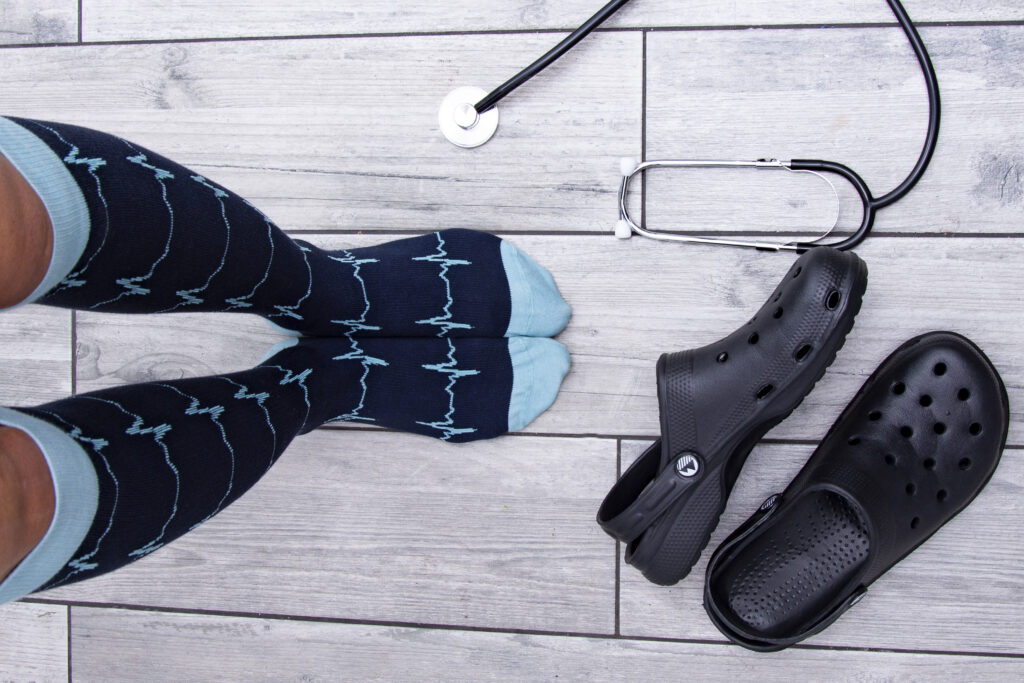
Nurses are among the most dedicated professionals in the healthcare industry, often working long hours on their feet. This demanding nature of their job can lead to physical discomfort, especially in the lower extremities. As a solution, many nurses have turned to medical pressure socks, also known as compression socks, to alleviate discomfort and improve overall leg health. These specially designed socks provide significant benefits, not only for healthcare professionals but for anyone who spends a considerable amount of time standing or sitting. This article delves into why nurses, in particular, swear by these supportive socks and the science behind their effectiveness.
Understanding Medical Pressure Socks
Medical pressure socks are a type of compression garment that applies gentle pressure to the legs and feet. This pressure improves blood flow, reduces swelling, and relieves pain. Here’s why they are a staple for nurses and others who are on their feet for extended periods:
- Enhanced Circulation: The graduated compression design helps facilitate blood flow back to the heart, reducing the risk of blood clots and deep vein thrombosis.
- Reduced Swelling: By decreasing fluid accumulation in the legs, these socks help prevent edema and leg discomfort.
- Pain Relief: Compression socks alleviate muscle fatigue and soreness, making long shifts more manageable.
For a comprehensive understanding of how medical pressure socks work, read more about this topic.
The Science Behind Compression
The principle behind compression socks is simple yet effective: applying consistent pressure to the legs helps maintain blood flow and reduces discomfort and swelling. The socks are typically tighter at the ankle and gradually loosen towards the top. This design encourages blood to flow upwards against gravity and back towards the heart.
Key Benefits of Compression Socks
- Improved Venous Return: By supporting the veins and arteries, these socks facilitate the upward flow of blood.
- Prevention of Venous Disorders: Regular use can prevent or manage conditions such as varicose veins and spider veins.
- Enhanced Endurance: Many users report increased energy levels and stamina during prolonged periods of standing or walking.
Learn more in this detailed guide on how compression socks contribute to overall leg health.
Who Can Benefit from Compression Socks?
While nurses are avid users, many individuals can benefit from medical pressure socks:
- Travelers: Long flights or car rides can lead to swollen ankles and feet.
- Athletes: Compression socks help with muscle recovery and enhance performance.
- Pregnant Women: They help manage swelling during pregnancy.
- Individuals with Chronic Conditions: Those with diabetes, lymphedema, or varicose veins can find relief through compression therapy.
Explore further insights here to see if compression socks are right for you.
Choosing the Right Compression Socks
Selecting the correct pressure level and size is crucial for effectiveness. Here are some tips:
- Compression Level: Ranges from mild (8-15 mmHg) to extra firm (30-40 mmHg). Consult with a healthcare professional to determine the appropriate level.
- Correct Fit: Measure your legs to ensure a proper fit. Ill-fitting socks can be ineffective or uncomfortable.
- Material and Durability: Consider materials that offer breathability and moisture-wicking properties for comfort during long hours of wear.
Find additional information here on how to choose the best compression socks for your needs.
About the Author
