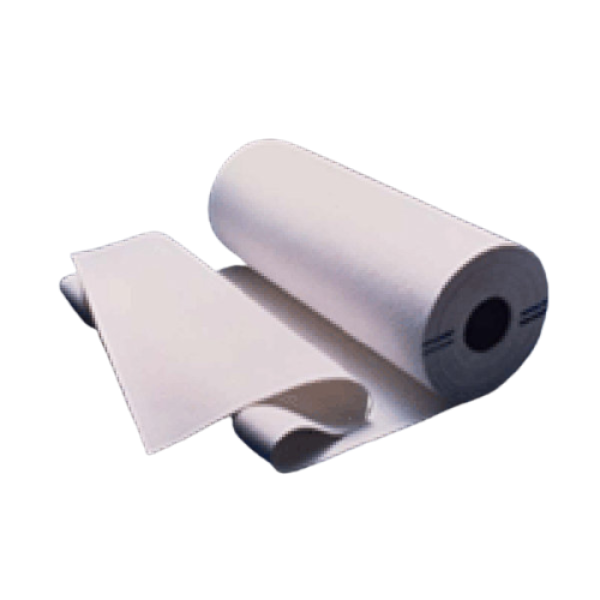
Kiln paper, an essential tool in the ceramic and glass art world, plays a pivotal role in ensuring the success of firing and glazing processes. This indispensable accessory offers artists a reliable means to prevent their pieces from sticking to the kiln shelf, preserving both the integrity and beauty of their creations. With the right approach, kiln paper can transform the firing experience, reducing waste and enhancing the quality of finished works. This article explores the various benefits and applications of kiln paper, offering insights into how it can be used to achieve optimal results in pottery and glass art projects.
Understanding Kiln Paper: Composition and Purpose
Kiln paper is a specialized material designed to withstand the high temperatures of kiln firing. Its primary function is to ensure that glazed surfaces do not adhere to kiln shelves, which can lead to defects and damage. Typically made from ceramic fibers, kiln paper provides a barrier between the artwork and the kiln surface.
- Prevents damage to kiln shelves and artwork.
- Facilitates easy removal of pieces post-firing.
- Enhances the quality and finish of glazed surfaces.
Benefits of Using Kiln Paper
The use of kiln paper offers several advantages, particularly when it comes to protecting kiln shelves and improving the finish of ceramic and glass pieces. By providing a stable base during firing, kiln paper minimizes the risk of imperfections and surface defects.
Protection and Preservation
Kiln paper acts as a protective layer that absorbs glaze runoff and prevents direct contact between the kiln shelf and the artwork. This not only preserves the kiln shelf but also ensures that pieces can be easily removed without chipping or cracking.
Enhanced Firing Results
With kiln paper, artists can achieve more consistent and reliable results in their firing processes. The paper helps maintain the integrity of the glaze, resulting in smoother finishes and more vibrant colors. For tailored solutions tailored to specific needs, find out more about this approach.
Choosing the Right Kiln Paper
Selecting the appropriate kiln paper is crucial for achieving the desired results. Factors to consider include:
- Thickness of the paper: Thicker papers offer more protection but may affect heat distribution.
- Material composition: Different fibers provide varying levels of durability and thermal resistance.
- Size and fit: Ensure the paper fits the kiln shelf properly to avoid overlaps and gaps.
For expert strategies on selecting the right kiln paper for specific applications, artists can explore advanced guides and tips.
Application Tips for Optimal Results
To maximize the benefits of kiln paper, proper application techniques are essential. Here are some tips to ensure optimal results:
- Cut the paper to precise dimensions to fit the kiln shelf without overlapping edges.
- Place the paper smooth side up to provide an even surface for the artwork.
- Avoid reusing kiln paper, as it can lose its effectiveness after one firing cycle.
For more in-depth guidance, artists are encouraged to discover expert strategies here.
Conclusion
Kiln paper is an essential component in the firing and glazing process, offering numerous benefits that enhance the quality and durability of ceramic and glass artworks. By understanding its applications and choosing the right type, artists can significantly improve their firing outcomes. For those seeking comprehensive resources and expert insights, learn about tailored solutions designed to meet the unique needs of artists and craftsmen.
About the Author
