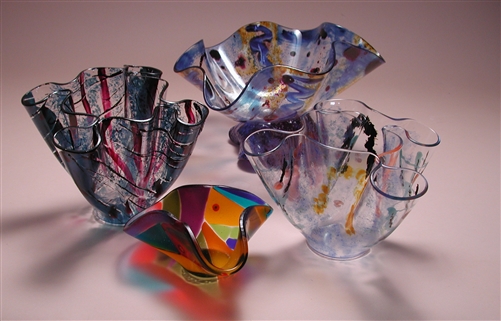
Glass slumping is a fascinating technique in the world of glass art that allows artists to create beautiful, functional, and decorative pieces. This process involves heating glass in a kiln until it becomes soft enough to mold over or into a form. The resulting shapes can range from simple bowls and plates to complex sculptures. For those intrigued by the potential of this art form, understanding the basics of glass slumping is essential for a successful start. This guide aims to provide an overview of what you need to know to begin your journey into glass slumping, including necessary materials, techniques, and safety considerations.
Understanding the Basics of Glass Slumping
Glass slumping is part of a larger category of glass forming techniques that rely on the thermal manipulation of glass. The process involves carefully heating a sheet of glass until it becomes pliable enough to conform to a mold’s shape.
- Temperature Control: The key to successful glass slumping is precise temperature control. The glass must be heated slowly and evenly to avoid thermal shock, which can cause cracking or other defects.
- Molds: Molds can be made from a variety of materials, including ceramic, stainless steel, or high-temperature plaster. Each type of mold offers different advantages and limitations.
- Annealing: After the glass has conformed to the mold, it must be cooled slowly in a process known as annealing. This step is crucial to reduce internal stresses and ensure the durability of the finished piece.
For those interested in deeper insights into glass slumping techniques, explore advanced guides and tips available in specialized resources.
Essential Materials and Tools
Glass Types
Choosing the right type of glass is fundamental to the success of your project. Commonly used glass includes:
- Fusible Glass: Designed specifically for slumping and fusing, this glass is manufactured to have a low coefficient of expansion, reducing the risk of cracking during heating and cooling.
- Recycled Glass: Environmentally conscious artists may opt for recycled glass, although it can be more challenging to work with due to variability in composition.
Tools and Equipment
- Kiln: A reliable kiln is essential for glass slumping. Kilns vary in size and function, so selecting one that fits your workspace and project scope is important.
- Mold Release Agents: These prevent the glass from sticking to the mold and are critical for removing finished pieces without damage.
- Protective Gear: Safety goggles, heat-resistant gloves, and ventilation systems are necessary to ensure a safe working environment.
To discover expert strategies here regarding the selection of tools and materials for successful glass slumping projects.
Safety Considerations
Safety should always be a priority when working with high temperatures and glass materials. Here are some important safety measures to follow:
- Proper Ventilation: Ensure that your workspace has adequate ventilation to avoid inhaling fumes from heated materials.
- Personal Protective Equipment (PPE): Always wear appropriate PPE, including goggles and gloves, to protect against heat and sharp edges.
- Kiln Safety: Follow all manufacturer guidelines for kiln operation to prevent accidents and equipment damage.
For more details on maintaining a safe studio environment, learn about our tailored solutions designed to help artists work safely and efficiently.
Getting Started with Glass Slumping
Embarking on a glass slumping project can be both rewarding and challenging. Beginners are encouraged to start with simple projects, gradually building skills and confidence. Essential tips for getting started include:
- Start with small projects to gain experience with temperature settings and glass behavior.
- Keep a detailed log of your kiln schedules and results to refine your techniques over time.
- Join local or online glass art communities to exchange ideas and gain support from fellow artists.
To find out more about this approach and how to effectively begin your glass slumping journey, explore comprehensive guides and resources that cater to artists at all levels of experience.
With the right materials, tools, and knowledge, anyone can start creating stunning glass art pieces through slumping. As you advance, the possibilities for creativity and expression are limitless. Whether for personal enjoyment or professional pursuit, glass slumping offers a fulfilling and artistic outlet.
About the Author
